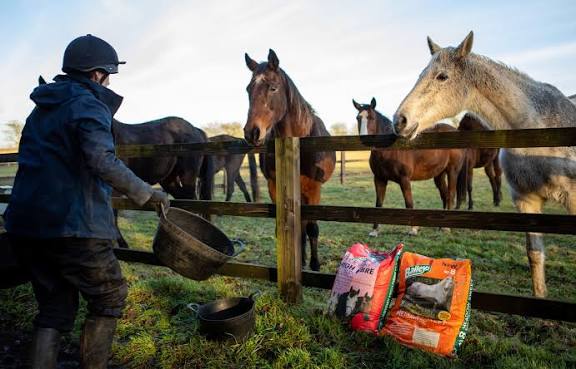
Feeding a horse goes far beyond simply providing hay and water. Horses are sensitive animals with complex digestive systems, and what they eat directly affects their health, performance, longevity, and overall well-being. Unfortunately, many commercially available feeds, treats, and supplements contain ingredients that can be harmful—or even dangerous—when fed to horses over time.
As horse ownership continues to grow globally, so does the market for equine feeds, supplements, and processed treats. While some products are nutritionally balanced, others include low-quality fillers, artificial additives, or ingredients that horses are not biologically designed to digest. Knowing which ingredients to avoid in horses’ food is one of the most important responsibilities of any horse owner, stable manager, or breeder.
In this detailed guide, we will explore 8 ingredients to avoid in horses’ food, explain why they are problematic, and discuss safer alternatives. This article is written for educational purposes only and aims to help horse owners make informed feeding decisions that support long-term equine health.
Why Ingredient Quality Matters in Horses’ Diets
Horses are natural grazers. Their digestive systems are designed to process high-fiber, low-sugar plant material slowly over long periods. When horses consume inappropriate ingredients—especially those high in sugars, toxins, or artificial chemicals—it can disrupt digestion, metabolism, and gut health.
Poor dietary choices have been linked to issues such as:
- Digestive discomfort
- Metabolic imbalances
- Weight management challenges
- Reduced energy levels
- Long-term performance decline
Understanding feed labels and recognizing unsafe ingredients is the first step toward responsible horse nutrition.
1. Excessive Added Sugars and Molasses
Why It’s a Problem
Molasses and other added sugars are commonly used in horse feeds to improve taste and reduce dust. While small amounts may be tolerated, excessive sugar content can negatively impact a horse’s metabolic health.
Horses are not designed to consume large quantities of refined sugars. Diets high in sugar may contribute to energy spikes, digestive upset, and long-term metabolic stress.
Where It’s Commonly Found
- Sweet feeds
- Pelleted feeds with strong aroma
- Commercial horse treats
- Textured grain mixes
Health-Conscious Alternatives
- Low-sugar forage-based feeds
- Beet pulp (unsweetened)
- Timothy or orchard grass hay
2. Artificial Colors, Flavors, and Preservatives
Why It’s a Problem
Artificial additives offer no nutritional benefit to horses. These ingredients are added purely for visual appeal or shelf life and may irritate sensitive digestive systems.
Horses do not need brightly colored feed to eat well. In fact, artificial dyes and flavors can mask poor-quality ingredients.
Common Artificial Additives to Watch For
- Artificial food coloring
- Synthetic flavor enhancers
- Chemical preservatives with long shelf lives
Safer Feeding Choices
- Naturally preserved feeds
- Whole-ingredient forage
- Minimally processed grain alternatives
3. Soy and Soy By-Products
Why It’s a Problem
Soy is often included in horse feeds as a protein source. While not toxic, soy can be problematic for horses with sensitivities or allergies. It is also highly processed and may be difficult for some horses to digest efficiently.
Additionally, soy is commonly genetically modified, which concerns many horse owners seeking natural feeding options.
Where Soy Appears
- Soybean meal
- Soy hulls
- Soy oil
Alternative Protein Sources
- Alfalfa
- Flaxseed
- Pea protein
- Lupins (where appropriate)
4. Wheat Middlings and Low-Quality Grain Fillers
Why It’s a Problem
Wheat middlings are a by-product of flour milling. While inexpensive, they offer inconsistent nutritional value and can be high in starch.
Horses consuming excessive starch may experience digestive imbalance, particularly in the hindgut.
Risks of Low-Quality Fillers
- Reduced nutrient absorption
- Increased risk of digestive upset
- Poor feed efficiency
Better Options
- Oats (in moderation)
- Barley (properly processed)
- High-fiber forage blends
5. Non-Structural Carbohydrates (NSCs) in High Amounts
Why It’s a Problem
Non-structural carbohydrates include sugars and starches that break down quickly during digestion. High-NSC diets may overwhelm a horse’s natural digestive rhythm.
This is especially important for horses with weight management challenges or those prone to metabolic stress.
Feeds Often High in NSCs
- Sweet feeds
- Corn-based grain mixes
- Highly processed pellets
Low-NSC Alternatives
- Grass hay tested for sugar levels
- Soaked hay (when advised by professionals)
- Forage-first feeding programs
6. Certain Tree Leaves, Seeds, and Plant By-Products
Why It’s a Problem
Some feeds and bedding materials may contain plant by-products that are unsafe for horses. Even small amounts can cause digestive discomfort or toxicity depending on the plant.
Common Risk Sources
- Contaminated hay
- Poor-quality pasture forage
- Mixed agricultural by-products
Best Practices
- Source hay from reputable suppliers
- Inspect forage visually before feeding
- Avoid feeds with vague plant ingredient labels
7. Excessive Fat from Low-Quality Oils
Why It’s a Problem
While fat can be a useful energy source, low-quality or overly processed oils may be difficult for horses to digest and can go rancid quickly.
Not all fats are created equal, and poor-quality oils can reduce feed palatability and nutrient stability.
Common Low-Quality Fat Sources
- Unspecified vegetable oils
- Recycled or heavily refined oils
Healthier Fat Sources
- Stabilized rice bran
- Flaxseed oil
- Cold-pressed vegetable oils (in moderation)
8. Animal By-Products
Why It’s a Problem
Horses are herbivores by nature. Animal by-products are not appropriate for their digestive systems and offer no nutritional advantage.
Including animal-derived ingredients may also increase the risk of contamination or digestive intolerance.
Examples to Avoid
- Meat meal
- Bone meal (unless veterinary-approved)
- Animal protein blends
Plant-Based Nutrition Is Best
- Forage-based diets
- Plant protein sources
- Whole-food supplements
How to Read Horse Feed Labels Correctly
To protect your horse’s health, always:
- Read ingredient lists carefully
- Avoid vague terms like “by-products”
- Choose feeds with transparent sourcing
- Prioritize forage as the foundation of the diet
Final Thoughts: Feeding Horses the Right Way
A horse’s diet should be simple, natural, and fiber-focused. Avoiding harmful or low-quality ingredients can make a significant difference in digestive comfort, energy levels, and long-term health.
By understanding what not to feed your horse, you take an important step toward responsible ownership and better equine care. When in doubt, always consult an equine nutrition professional before making major dietary changes.


